ANNUAL REPORT
2026
An Extraordinary Year
Passionate about people. Passionate about water.

REPORT FROM THE
Chairman
Adelé Bain
As we bring another water year to a close, I am grateful for the opportunity to reflect on what has been an extraordinary year for Gamtoos Water.
It has been a year that has tested our organisation in ways few could have anticipated, but it has also reminded us of the importance of good planning, sound management and, above all, hope.
From a financial perspective, we have remained within budget. Despite the significant unforeseen expenditure brought about by the May flood, we were able to conclude the financial year in a sound position, with a substantial saving against our expenditure budget.
The responsibility of Gamtoos Water, however, goes far beyond simply managing a budget. We have an important role to play in ensuring that water is used wisely and allocations are managed with care.
I am pleased that our water usage and allocations remain under control, and that our dam levels are secure. This provides us with confidence as we look towards the year ahead, while also reminding us that water remains a resource that must be carefully managed.
Then came 7 May 2026.
We survived what has been estimated as a one-in-200-year flood. The scale of the water moving through the system was extraordinary, and the evidence left behind at structures such as Stuurmanskraal and Condomo gives us a very real understanding of just how significant this event was.
As the operator of Kouga Dam, Gamtoos Water immediately implemented the Emergency Preparedness Plan when the dam started spilling.
Communication with the Department of Water and Sanitation (DWS) was maintained on an hourly basis until the volume in the system began to decrease and the risk could be downgraded. Local authorities were also kept informed, with Kouga Municipality establishing a Joint Operational Committee to assist in managing the risk to lives.
The flood provided a powerful reminder that we are not alone. Water management requires cooperation between Gamtoos Water, DWS, municipalities, communities and many other role players.
The response to this flood demonstrated the value of working together when circumstances become difficult, and underscored that each of us have a responsibility.
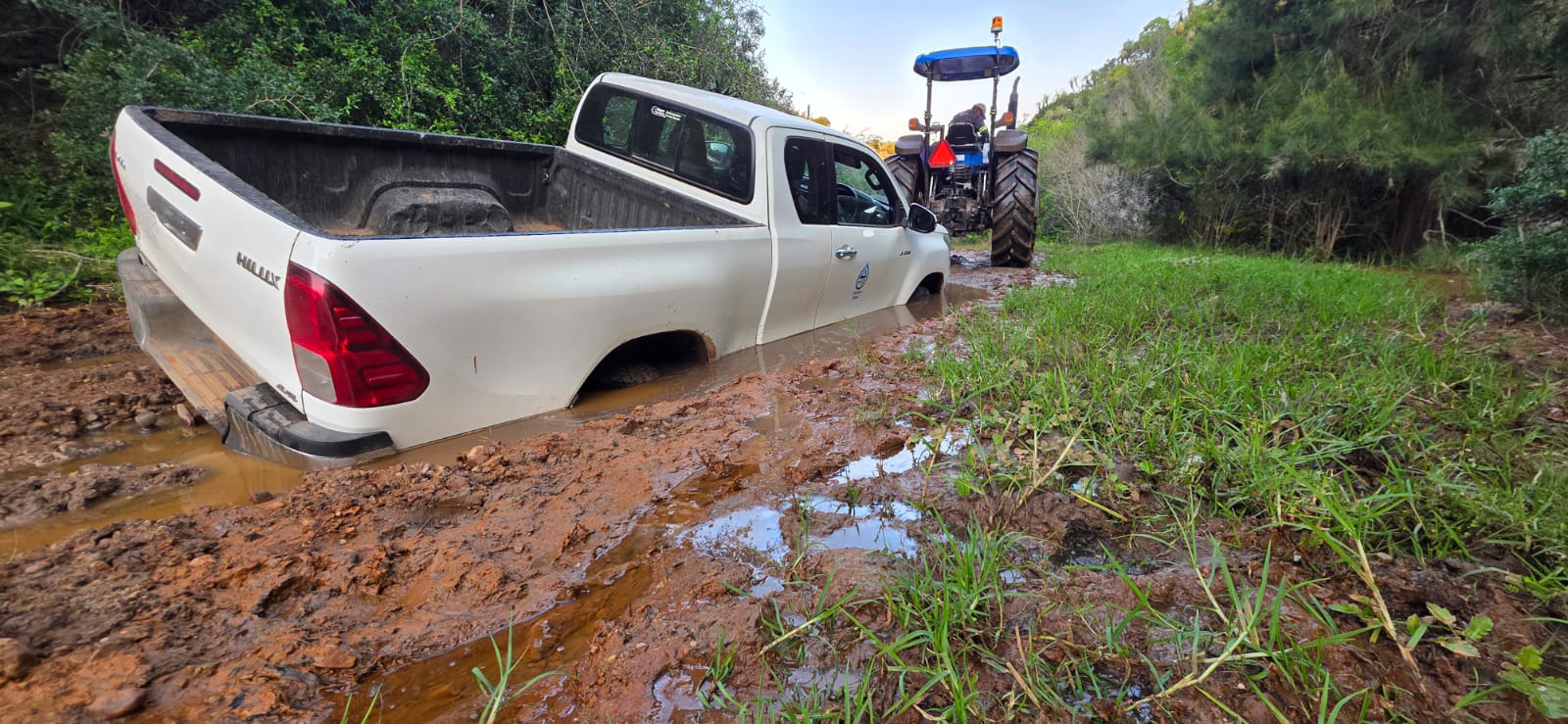
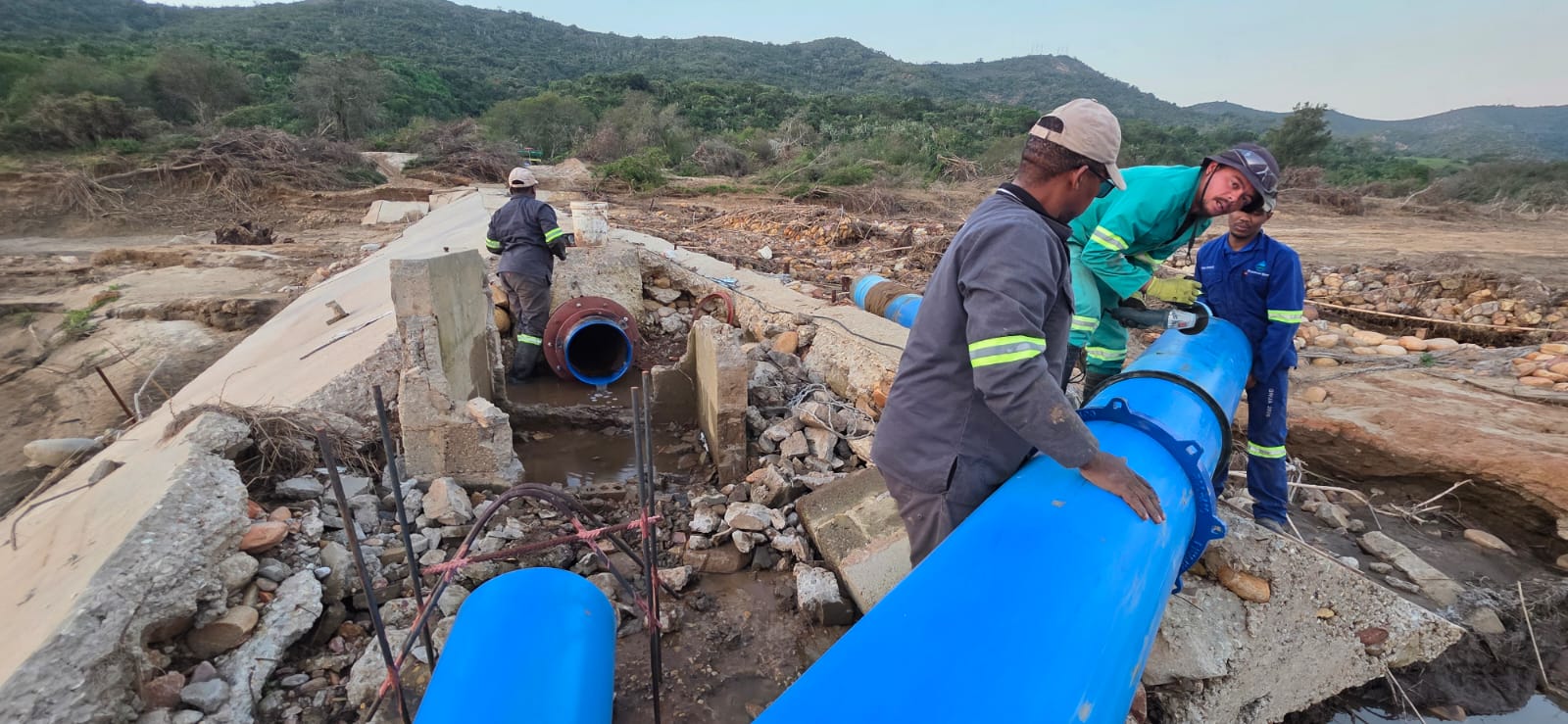
The work did not end when the water receded. Flood-related repair work has been a major focus of the past few months. Equipment was damaged, access routes were affected and strenuous work was required to restore accessibility throughout the Valley.
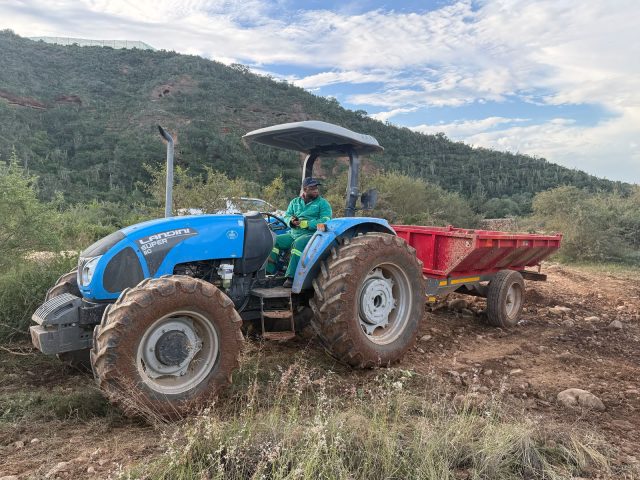
A large amount was spent on equipment rental to assist in restoring access following the flood. Our roads and access routes are still receiving attention, with maintenance and repairs being addressed as we continue recovering from the flood damage.
These efforts remain important not only for our own operations, but for the communities and water users who rely on these routes every day.
The flood also reminded us of the importance of being prepared. Our pumping equipment, heavy machinery and other operational resources are essential to the work we do, particularly during dry periods. We have therefore continued investing where necessary to ensure that our teams have the equipment required to respond effectively to whatever conditions the next year may bring.
Looking ahead, the proposed tariffs will have to be considered. This is never a decision to be taken lightly. A significant portion of our budget is influenced by the costs charged by DWS [R5 478 618, or 11% of budget].
At the same time, there is less external funding available to subsidise the water-use charge. We therefore need to ensure that our rates remain sustainable and that Gamtoos Water can continue fulfilling its responsibilities effectively.
As I reflect on this year, I cannot help but think about my own journey in the Eastern Cape. I came to the province as a dairy farmer during a drought that lasted eight long years.
Now, years later, I find myself completing my third consecutive term as Chairman, having just given guidance through the opposite extreme – a flood of a magnitude we may only see once in a generation, or even less.
It has certainly been an experience.
But through both drought and flood, one thing remains true: there is always hope. The circumstances may change, the challenges may seem overwhelming and sometimes we may wonder whether the grass is greener somewhere else.
Yet I believe that God always provides greener pastures. We have survived a one-in-200-year flood. We have seen the damage, we are undertaking the strenuous work of recovery, and we continue to fulfil our responsibility to the people and water users of this region. Now we can look forward with confidence and hope.
I would like to thank Rienette for her steadfast leadership throughout the crisis, as well as the Board, management, staff, DWS, our local authorities, our water users and everyone who contributed to the response and recovery process during this extraordinary year. Each person has played a part in ensuring we continue to fulfil our responsibility to the region.
As I complete my third year as Chair, I can only be grateful for all the experience gained during this short time. From drought to flood, it has been an incredible journey, and I consider myself fortunate to have experienced it alongside the people of Gamtoos Water.
We have survived the flood. Now we look forward, trusting that there are greener pastures ahead.
There is always hope!
REPORT FROM THE
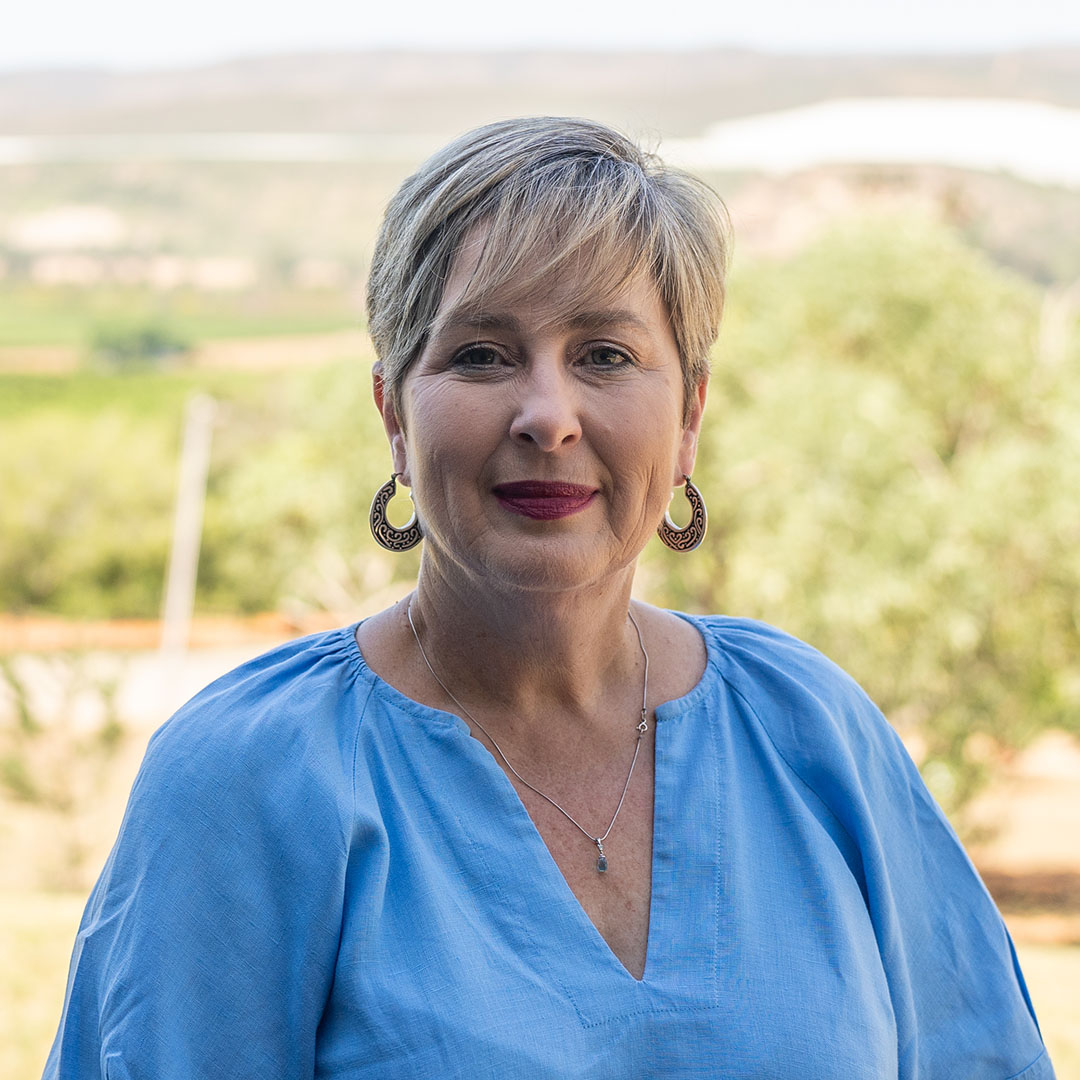
Chief Executive Officer
Rienette Colesky
“In the midst of chaos, direction is not always found – it is created.”
Our landscape changed in so many ways during 2026.
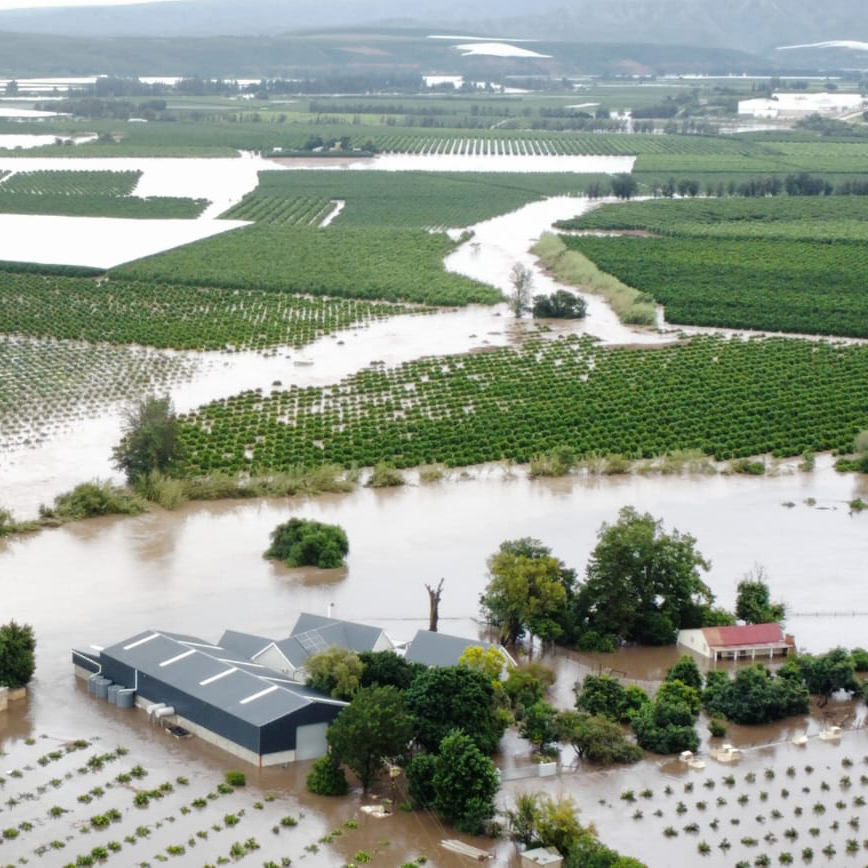
This is both a literal and a figurative statement. Following the May flood, we looked on in dismay at a transformed landscape as the Gamtoos River carved a new path through the valley, with no regard for land, people or animals.
It brought a sense of humility, together with a new understanding of the force of water, but also of the greatness and almighty power of God.
In the Gamtoos, Baviaans and Kabeljous catchment areas, water is the pivot around which the economy turns. In times of drought, livelihoods are at the mercy of the elements of nature, and, during a one-in-200-year flood, the same principle still applies.
This event was undoubtedly our greatest challenge in many years. Alongside it, the water users of Gamtoos Valley have had to navigate the foot-and-mouth disease crisis with great care, as well as the geopolitical challenges created by a volatile American administration.
During the latter part of the financial year, plans had to be reconsidered and reorganised to accommodate a drastically changed landscape.
Although financial objectives had to be adjusted, we remained within the original budget and placed no additional financial pressure on water users.
Kouga Dam is, however, full, and agricultural users have water security for the next two years.
It is important to take note of the proposed amendments to the National Water Act of 1998 published in October 2025. There are positive changes, particularly in relation to water user associations. However, the proposed changes in terms of Section 25(1) require further consideration, as does the rationale behind the “use it or lose it” principle in terms of Section 34A.
Water quality is becoming increasingly important in our country. During the past year, water-quality samples were taken across the wider areas of the Kabeljous, Gamtoos, Kouga Dam and Langkloof. These are contributing towards a database that may serve as a reference framework in the future. This information is also important in terms of holding consumers and residents accountable for their actions in relation to water use.
The allocation to agricultural users in the Gamtoos was initially restricted by 20% from 1 November 2025. Once Kouga Dam began spilling, however, all restrictions on the Kouga Dam were lifted.
Agricultural water use (47.19%) was significantly below the norm (73.7%) at the end of June, due to the unusually high rainfall in May and June.
Income and expenditure during 2025/2026 remained within budget.
Despite the challenging circumstances, Gamtoos Water was able to conclude a productive year. Not all planned objectives were necessarily achieved; however, as a result of events and circumstances, objectives were adapted to achieve important outcomes for water users and the broader community.
Resilience is the characteristic that comes to mind.
The Flood
7 May 2026
“Chaos may obscure the way forward, but it cannot take away the ability to choose a direction.”
The flood of 7 May 2026 was one of the most severe experienced in the history of the Gamtoos Valley. It resulted from an intense cut-off low weather system that brought exceptionally heavy rainfall to the Eastern and Western Cape between
5 and 7 May.
Most areas influencing the catchment received excessive rainfall during this time.
The following rainfall totals were recorded for May.
Most of this rain fell on 5 to 7 May:
| Krakeelhoek 1 109 mm | Joubertina 380.7 mm | Suurveld 260 mm |
| Krakeel 464 mm | Stuurmanskraal 68.6 mm | Kouga Dam 215.5 mm |
| Tamie 299 mm | Baviaanskloof 180 mm | Patensie 197.8 mm |
Water from the Groot River filled the system on the morning of 7 May, with water spilling from Kouga Dam joining an already full system.
The volume of water that came from the Karoo is unknown, as the level exceeded the measuring weir by nearly three metres. Measuring equipment was damaged and had to be replaced after the flood.
The measuring weir at Stuurmanskraal was flooded late on 6 May, which affected our ability to understand the nature of the flood as well as the volume of water in the system.
Kouga Dam filled within 11 hours. The level of Kouga Dam was recorded at 32.15% at 07:00 on the morning of 6 May.
The following levels were subsequently recorded on the morning of 7 May:
- 92% at 06:40
- 100% at 07:10
- 110.96% at 08:00
- Kouga Dam peaked at 126.57% (3,655 cubic metres, or 3,655,000 litres, per second).
- The dam level increased by 4.28 metres over an area of 555 hectares in an hour and a half.
From a level of 92% until Kouga Dam spilled, it filled at a rate of 5,600,000 litres per second.
The failure of electricity supply and cellphone towers was a major challenge and hampered communication efforts.
Maximum flood events in the past
(Volume spilling over dam wall. Only events exceeding 1,000 m³ per second are included.)
| 1971 | 22 August | 1,360 m³ per second |
| 1981 | 30-May | 1,762 m³ per second |
| 1983 | 26-Jul | 1,627 m³ per second |
| 1996 | 22-Nov | 2,425 m³ per second |
| 2026 | 07-May | 3,655 m³ per second |
These figures do not take into account any flow from the Groot River, which joins the Kouga River downstream of Kouga Dam to form the Gamtoos River. The effect downstream of the confluence during a flood event is influenced by the total contribution of the two systems.
The event of 7 May was the making of a perfect storm: a volume of 3,655 m³ per second joining an already full system. The flood had devastating effects downstream of the confluence.
The Hydrology Department of the Department of Water and Sanitation (DWS) confirmed that the Gamtoos Valley experienced a one-in-200-year flood on 7 May. The following details were confirmed:
- HG inflow peak: Q ≈ 6,950m³/s (Max outflow: 3,655 m³/s);
- Exceedance probability: Q < 0.5% (Return period: Q > 200 years);
- HG volume: ≈ 409.000 × 10⁶ m³;
- Flood level in dam: 60.4 m Gauge plate level (Full supply level = 54.95 m Gauge plate level / 149.36 m Relative level).
This event was not only a natural disaster but a major socio-economic shock for the Gamtoos Valley. The region suffered more than R1.4-billion in economic losses, widespread infrastructure damage, disruption to agricultural exports, loss of employment, displacement of residents, and severe impacts on tourism and local businesses.
Recovery is expected to take several years, particularly in the agricultural sector, where damaged orchards and soil losses may affect production well beyond 2026.
Mitigating the risks experienced
Two specific challenges were experienced during the flood: the ability to communicate and the inability to read the level of the system. This was due to the failure of Eskom electricity supply and, consequently, the failure of cellphone towers in the area.
Data loggers have been repaired by the Department, and consideration is being given to moving the Stuurmanskraal logger to higher ground.
Kouga Dam was without power for 38 days. It will be fitted with a generator. Satellite communication will be installed to secure communication with the office in Patensie.
The operation and safety of Kouga Dam
According to the National Water Act of 1998, the Department of Water and Sanitation is the custodian of all water resources in South Africa. This includes Kouga Dam.
Gamtoos Water is the operator, and there is a Memorandum of Agreement (MOA) between the Department and Gamtoos Water that determines how Kouga Dam and the system are to be operated. National water policies and regulatory provisions also influence the way the scheme is operated.
Kouga Dam is classified as a Category 3 dam in terms of capacity and safety. A dam-safety inspection is conducted by the Department every five years. This determines the risks that exist and, consequently, the objectives required to address those risks.
Gamtoos Water is required to comply with a schedule of inspections, most of which take place every three months, to ensure that the dam complies with civil as well as mechanical requirements and standards.
Crack gauges are physically read every month. This provides feedback to the Department on any vertical, lateral and horizontal movement of the dam wall.
Movement of Kouga Dam is also measured electronically using various sensors, with feedback regularly provided to the Department. The following have been installed at Kouga Dam:
- 31 digital crack gauges;
- 21 electronic crack gauges in the gallery;
- 9 2D tiltmeters in the gallery.
In terms of the May 2026 flood, the spill was recorded at 3,655 cubic metres per second. Kouga Dam’s maximum calculated spillway capacity is 5,100 cubic metres per second. The recorded flow was therefore significantly below the capacity for which the dam was designed.
The safety of Kouga Dam is therefore of great importance to Gamtoos Water as well as DWS. The safety procedures are strictly adhered to.
The Water User Association
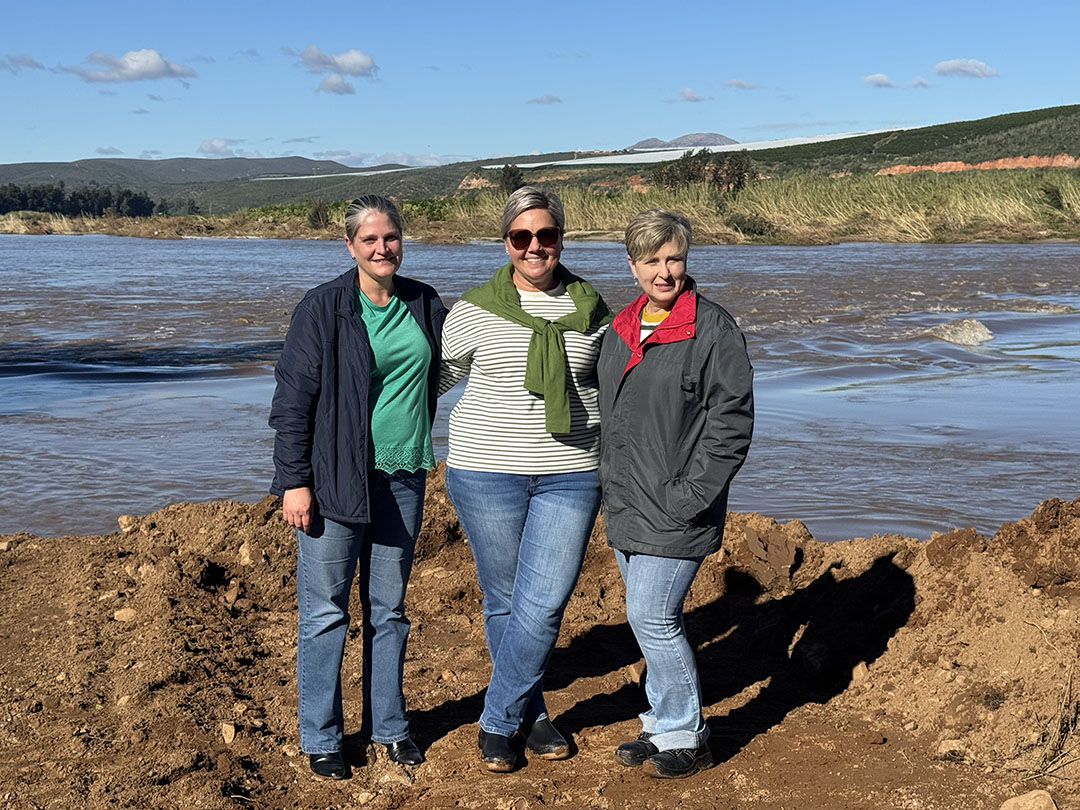
Three Sisters
Gamtoos Water has been proclaimed as a Water User Association (WUA) since
6 October 2023. It is a statutory body that operates as a co-operative association and seeks to manage water at grassroots level within a defined area. These entities have the mandate to manage water-related activities for the benefit of all water users.
The Gamtoos Water User Association consists of three catchment areas:
| Gamtoos | (L90A-C and L82J) | Sub-Area 1 |
| Baviaanskloof | (L81A-D and L82H) | Sub-Area 2 |
| Kabeljous | (L90G) | Sub-Area 3 |
Gamtoos Water User Association Boundaries

These three catchment areas have different compositions and, consequently, different needs and dynamics.
The objective of the Gamtoos catchment area is to manage a government water scheme with a complex infrastructure and cost structure. Water users in the Baviaanskloof and Kabeljous, meanwhile, have a need to belong to an overarching structure that understands water legislation and the functioning of the Department, so they may obtain answers and advice on day-to-day issues.
The current management committee is as follows:
- Sub-Area 1
- Patensie: SG Ferreira and Christof Opperman
- Hankey: Noel le Roux and Khaya Katoo
- Loerie: Manus Meyer and Adelé Bain
- Sub-Area 2: Baviaanskloof
Rune Janse van Rensburg, Barend Lamprecht and Quentis Bezuidenhout - Sub-Area 3: Kabeljous
Mauritz Rautenbach, Billy Hatting and Willem van Vuuren
Nomakhaya Mgcina (Gamtoos) and Henry Blaauw (Sewefontein) represent emerging and small farmers as well as the cooperative associations in the Gamtoos Valley, while Charmaine Kritzinger represents industry.
The organisations representing the environment are the Eastern Cape Parks and Tourism Agency (ECPTA), the Baviaanskloof Nature Reserve as well as the Kabeljous Reserve Action Group (KRAG).
Other representatives include Kouga Municipality, Nelson Mandela Bay Municipality, the Department of Correctional Services, the Catchment Management Agency, and the
Department of Agriculture.
Water Management
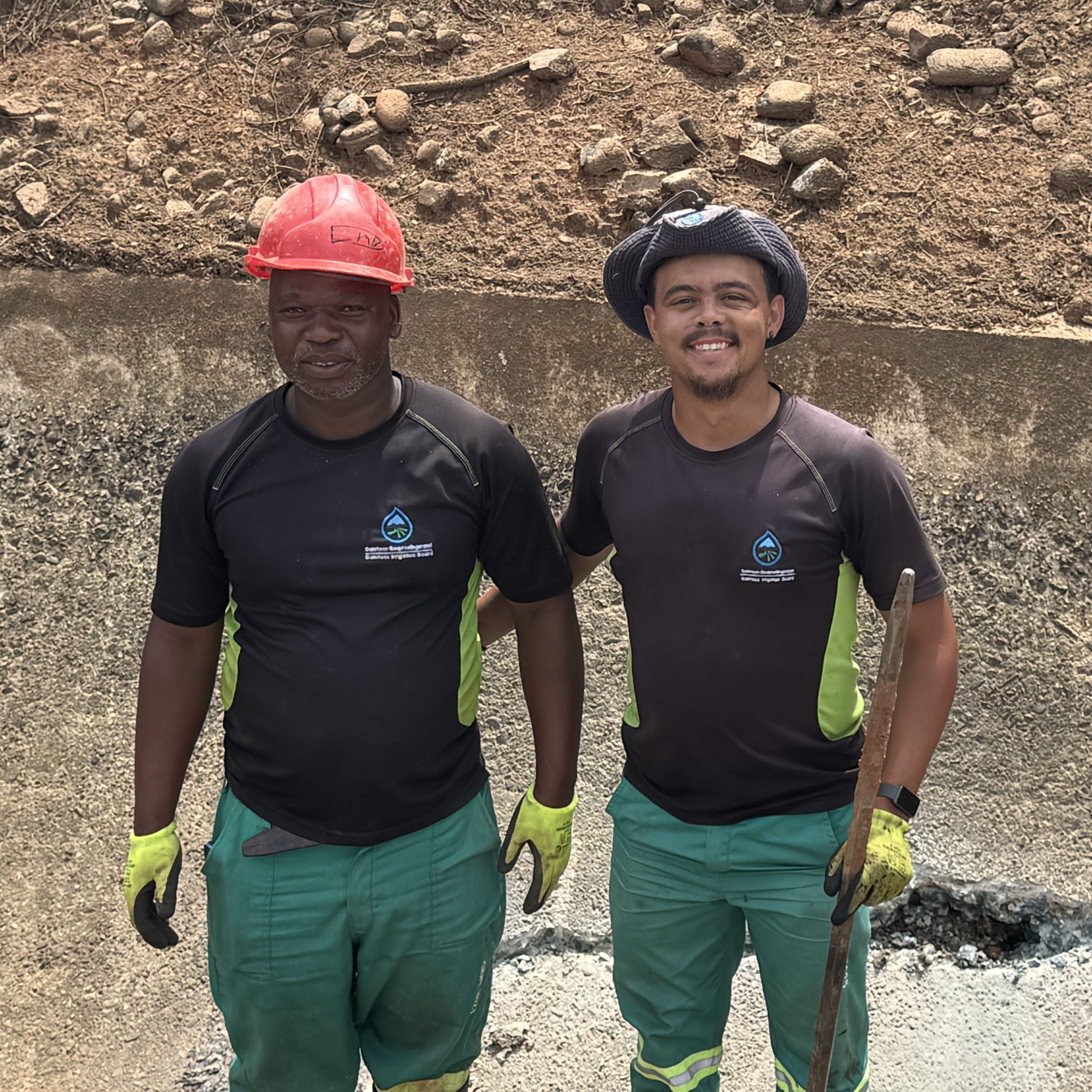
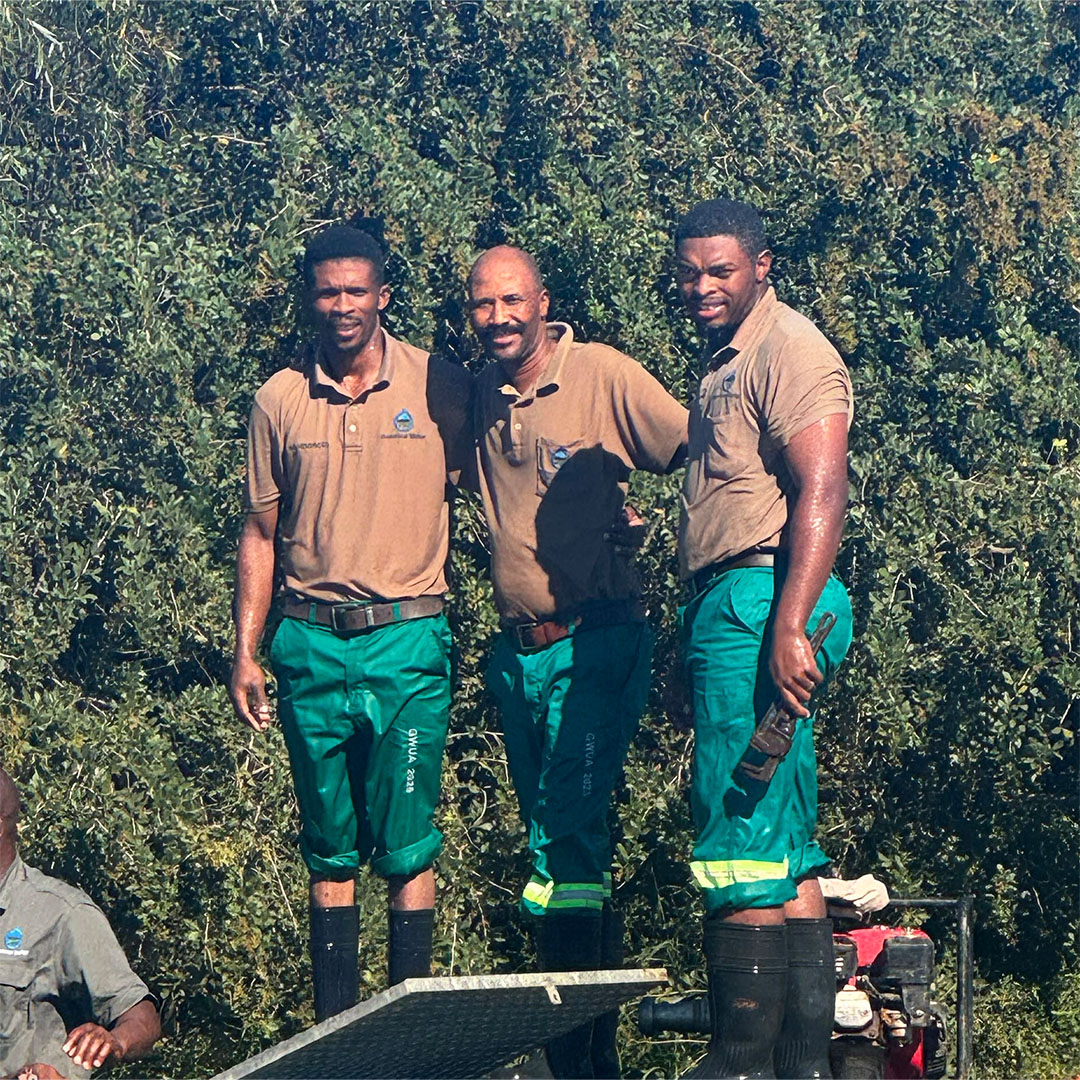
Dedicated staff are our success
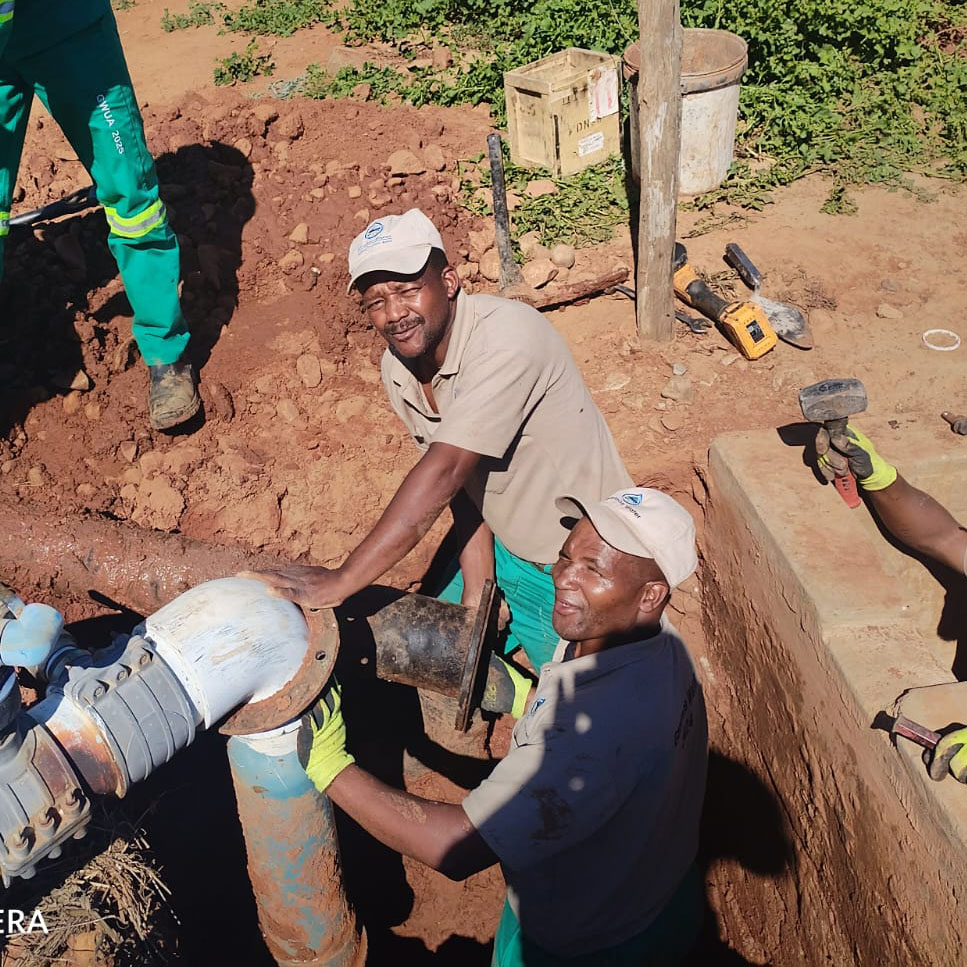
Water management and maintenance are the most important objectives of a scheme. This is an impossible task without dedicated staff and adaptable, yet well-defined, systems.
Water resource management is a key objective of both the Kabeljous and Baviaans catchment areas.
The May flood made water management particularly challenging.
Kouga Dam’s level was 100.84% on 30 June. Despite the enormous damage caused by the flood, there is some reassurance in the fact that a full dam provides water security for the coming season.
Water consumption is closely monitored by management using the following platforms, with three systems currently used on the scheme:
- WMS (Water Management System)
This system was developed for Gamtoos Water’s unique needs. It encompasses water-use rights, water use and water measurement. - Zednet platform
An internet-based platform on which water levels at various locations across the scheme are measured in real time, allowing the water level across the entire scheme to be determined at a glance. - Gamtoos application
An application developed for consumers to report water use and to manage water use in the lower part of the scheme.
The release of water from Kouga Dam, with Loerie Dam as its end point, is balanced daily by the water control department using these systems while also drawing on many years of experience.
Water users make careful use of their allocations, and as a result the available water from Kouga Dam can be managed sustainably.
The objective is to supply all consumers dependent on water from Kouga Dam with their daily requirements, while releasing just enough water into Loerie Dam to meet the Metro’s needs and managing Loerie Dam at a maximum level of 85%.
Agricultural water users receive 60.188-million cubic metres of water from Kouga Dam during a normal 100% allocation year. The municipalities of Hankey and Patensie also receive an allocation, as does the Nelson Mandela Bay Municipality. During a full-allocation year, this amounts to 23-million cubic metres per year.
Water rights in Kabeljous and the Baviaanskloof are primarily based on river and borehole abstraction. These rights are at various stages of the verification and validation process with the Department.
The following crops and agricultural activities are found in the Gamtoos, Baviaans and Kabeljous catchment areas:
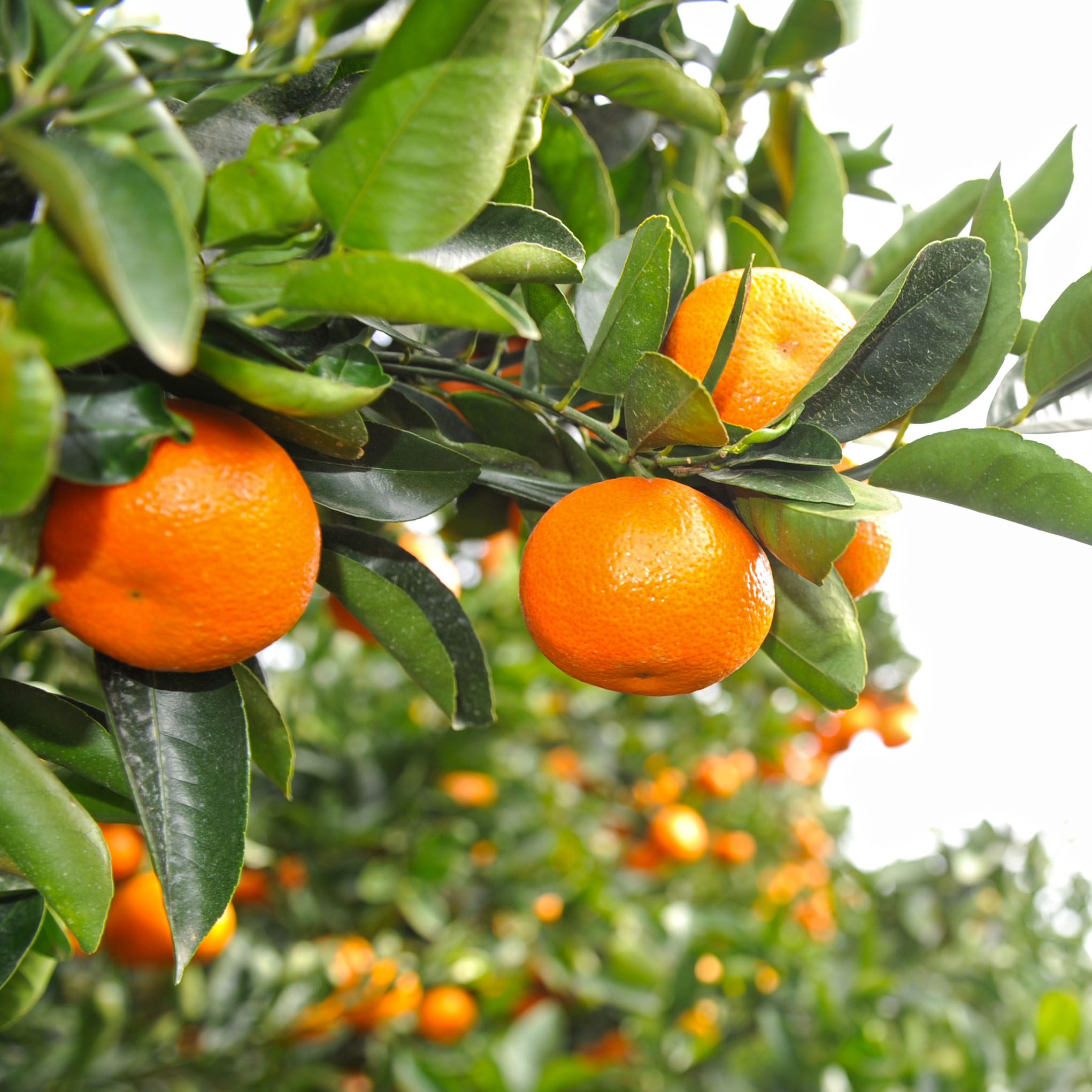
- Gamtoos: Citrus, blueberries, strawberries, pre-packaged vegetables, cash crops and dairy cattle.
- Baviaanskloof: Feed for small livestock, vegetable seed and grain.
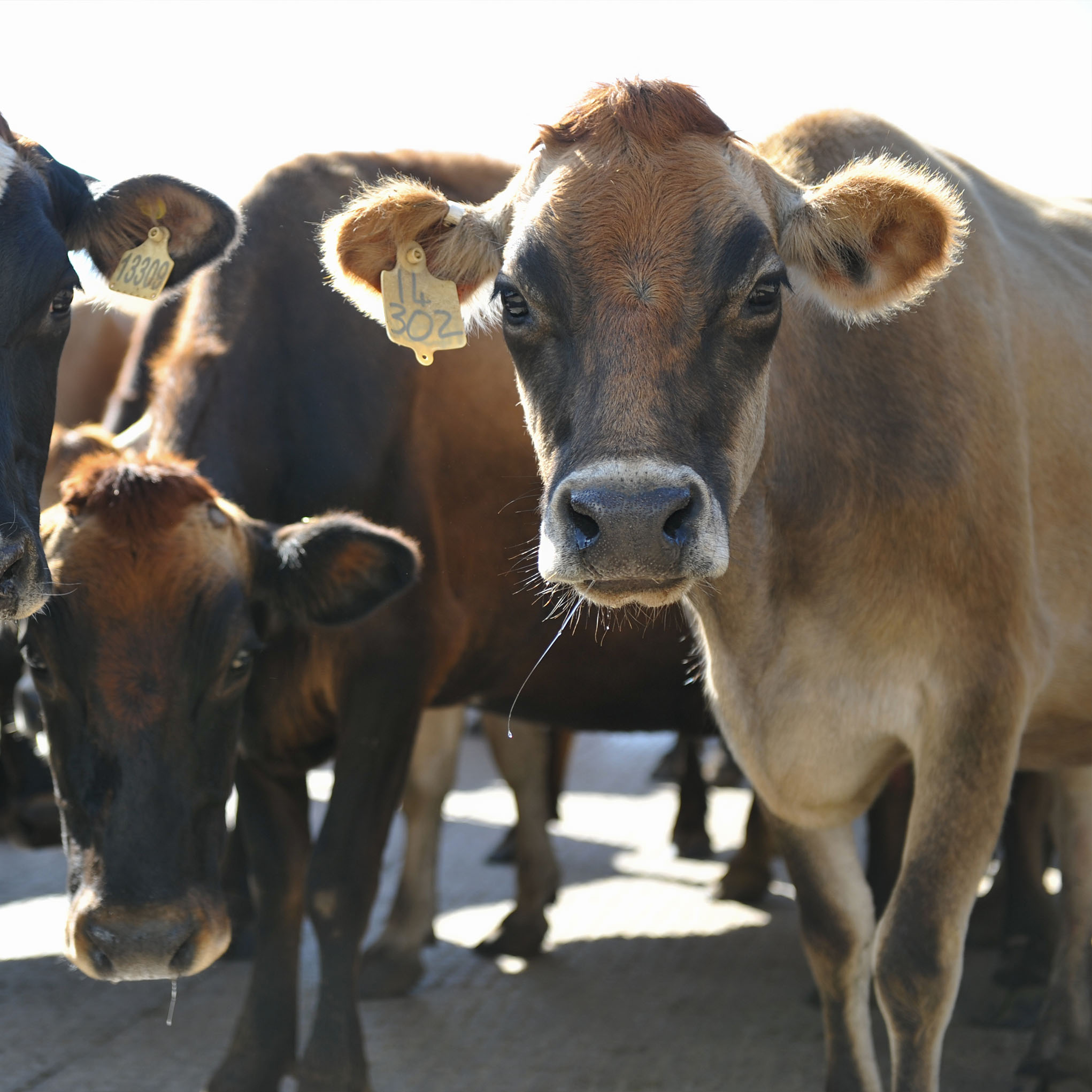
- Kabeljous: Pasture (ryegrass, lucerne, kikuyu, etc.), dairy cattle, beef cattle, sheep, game, citrus, avocados and vegetables.
Tourism is also an important source of income in all three catchment areas.
Historically, the levels of Kouga Dam and the water allocations have been as follows:
| Year | Kouga Dam level on 30 June | Allocation for the water year |
| 2026 | 100.84% | 100% |
| 2025 | 79.15% | 100% |
| 2024 | 100.31% | 85% |
| 2023 | 23.01% | 35% |
| 2022 | 15.37% | 20% |
| 2021 | 4.19% | 15% |
| 2020 | 7.11% | 20% |
| 2019 | 44.98% | 85% |
| 2018 | 7.89% | 40% |
| 2017 | 18.65% | 40% |
| 2016 | 68.03% | 100% |
Water Quality
An unpolluted resource is priceless
It is common knowledge that water quality within our water resources is becoming a greater challenge across the country every day, as infrastructure upgrades are neglected, much-needed funds are diverted to other priorities, and there is generally a lack of understanding of the impact dysfunctional wastewater treatment works have on the environment and water resources.
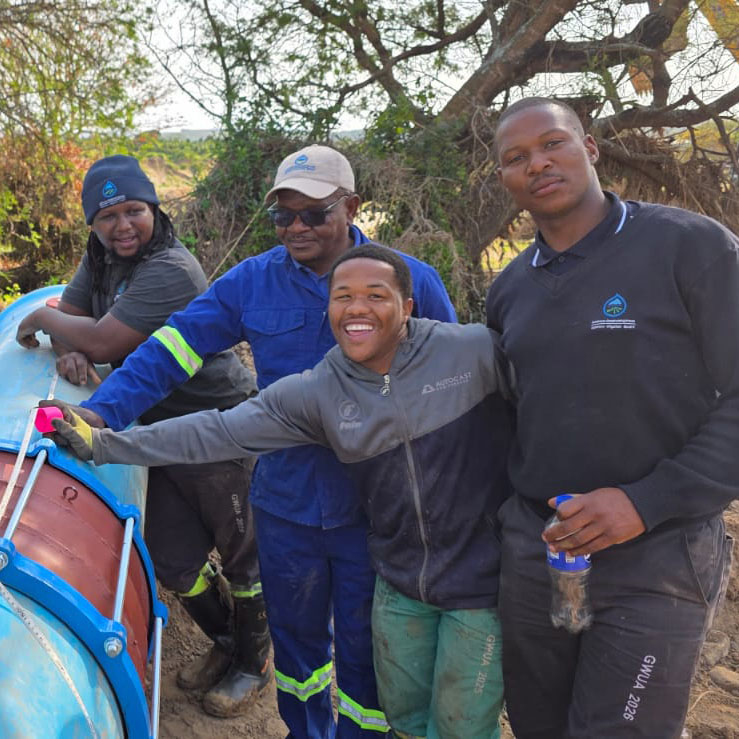
Four wastewater treatment works in the catchment affect Kouga Dam: Tweeriviere near Joubertina, Krakeel, Louterwater and Misgund. Gamtoos Water approached the Kou-Kamma Municipality in 2024, and since then an informal partnership has been in place, through which efforts are being made to operate the treatment works in a functional condition.
Water quality is also monitored in the Gamtoos, Kabeljous and Kouga rivers, as well as in the canal system. The purpose of the canal system is to provide a reference point for export compliance audits.
Thirty-one water samples are taken every three months. If problems are identified, the municipalities, water users and residents are held accountable.
Operational Health
The Scheme
The dry periods each year are the most important operational events in our scheme. This year, however, our normal planning was disrupted by the flood.
The dry periods could not be carried out at the normal planned times and, when the Main Canal dry period was due, it had to be scheduled a month later.
During this year there were two dry periods:
- Mid-July, during which the Main Canal, B- and C-Canal were cleaned; and
- Mid-August, during which the K-Canal was cleaned.
The concrete canals were not damaged by the flood. However, they were dirtier than usual because of the abnormal amount of rain that fell in the Gamtoos Valley. It was therefore necessary to focus on cleaning the canal system.
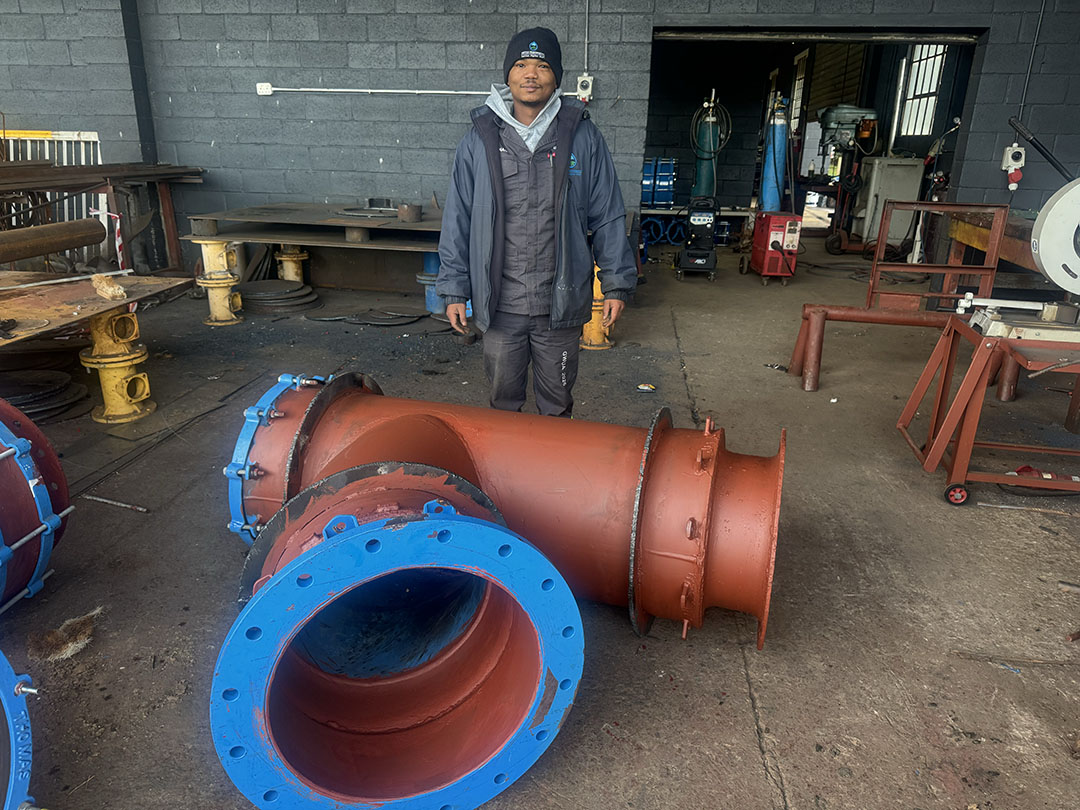
During the year there were also several problem areas that could only be repaired during a dry period, and these were therefore prioritised. They included:
- Connecting line D41 to the new pipeline and installing two isolation valves;
- Installing two isolation valves at line 69, with air valves (AVs);
- Completing the knife gate at the CD distribution point;
- Strengthening the manifold at B9;
- Repairing the sensor pipe to the CD automatic sluice; and
- Closing the service sluice at Kouga Dam so DWS could inspect the tunnel to the canal outlet.
Eight hundred 20-litre buckets of Flintcote were purchased at the beginning of 2026. This product could not be used during this year, but will be used during the next dry period.
First, the focus will be on completing the Main Canal in Loerie, as well as the G-Canal.
Thereafter, the focus will be on the K-Canal.
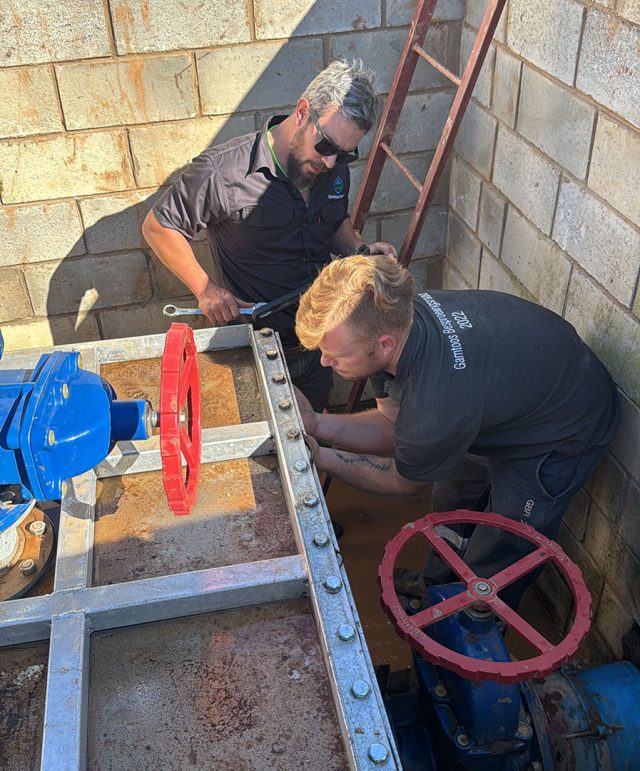
All sluices were serviced to ensure good operation for the coming year.
The following takes place daily on the scheme:
- Control of vegetation and weeds along the canal system. This makes a significant difference during intensive dry periods. During 2025, it was also noted that the canals were much cleaner, and it is believed that vegetation control may have been the reason.
- Dryland rehabilitation at various locations across the scheme.
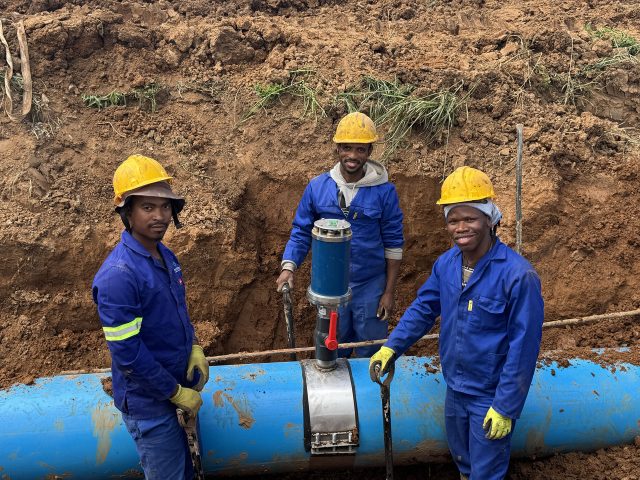
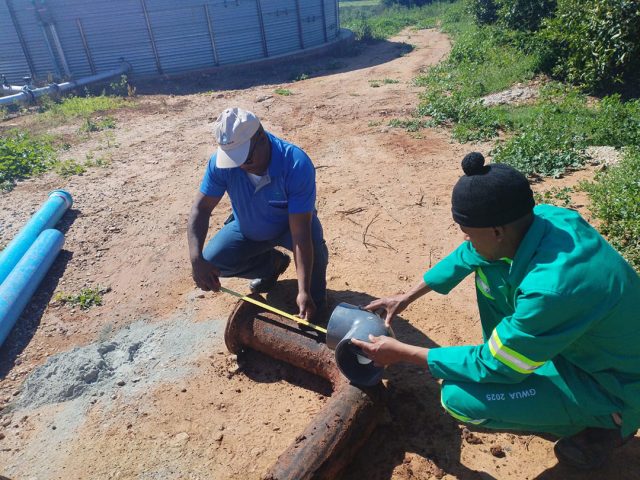
- Maintenance of the system and the repair of daily leaks and breaks.
- Management of our water supply. Supplying the lower part of our scheme continues to be a challenge. There are significantly more pivot irrigation systems than before, which means that large volumes of water are required over shorter periods of the year. Various depth gauges are used to manage the situation. The Loerie area has become a water-demand system, and an application has been developed to optimise its management.
- Water quality in the catchment, the Gamtoos plain and Kabeljous is measured every three months and reported to various platforms.
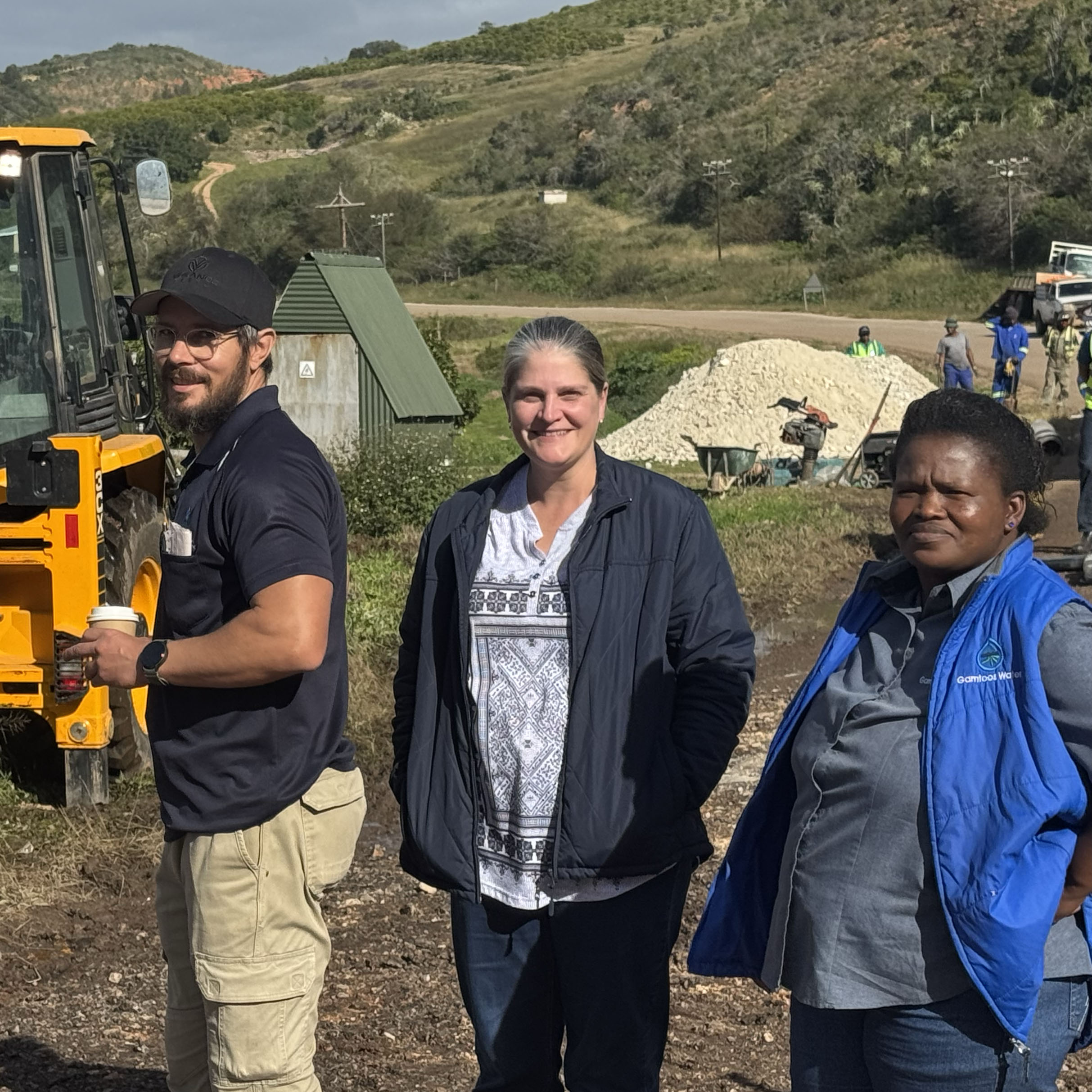
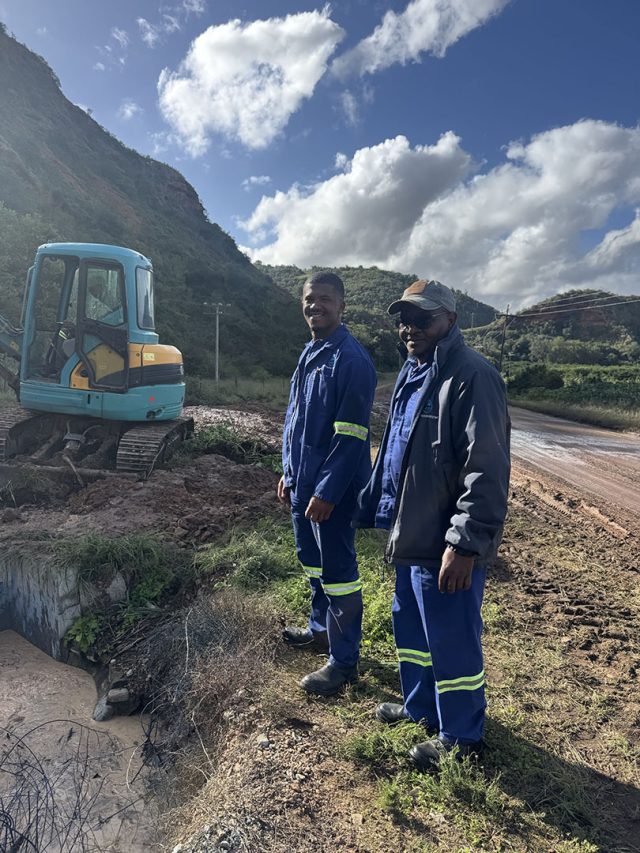
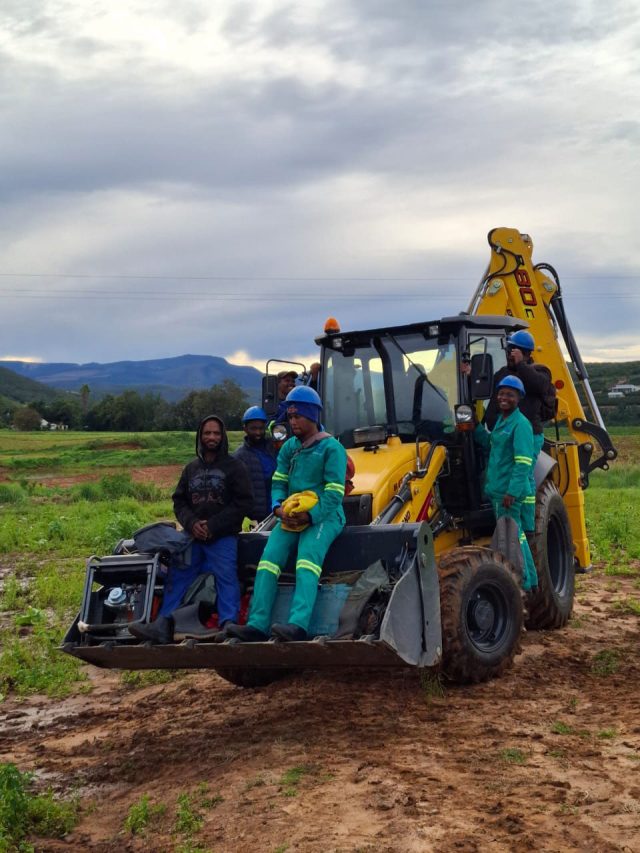
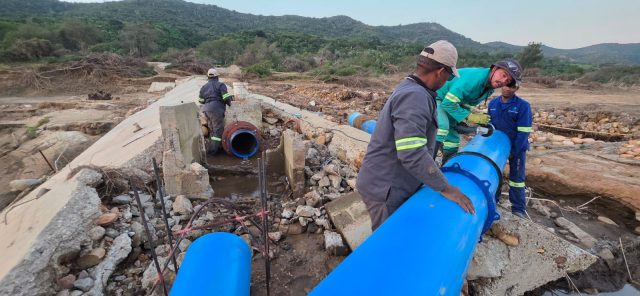
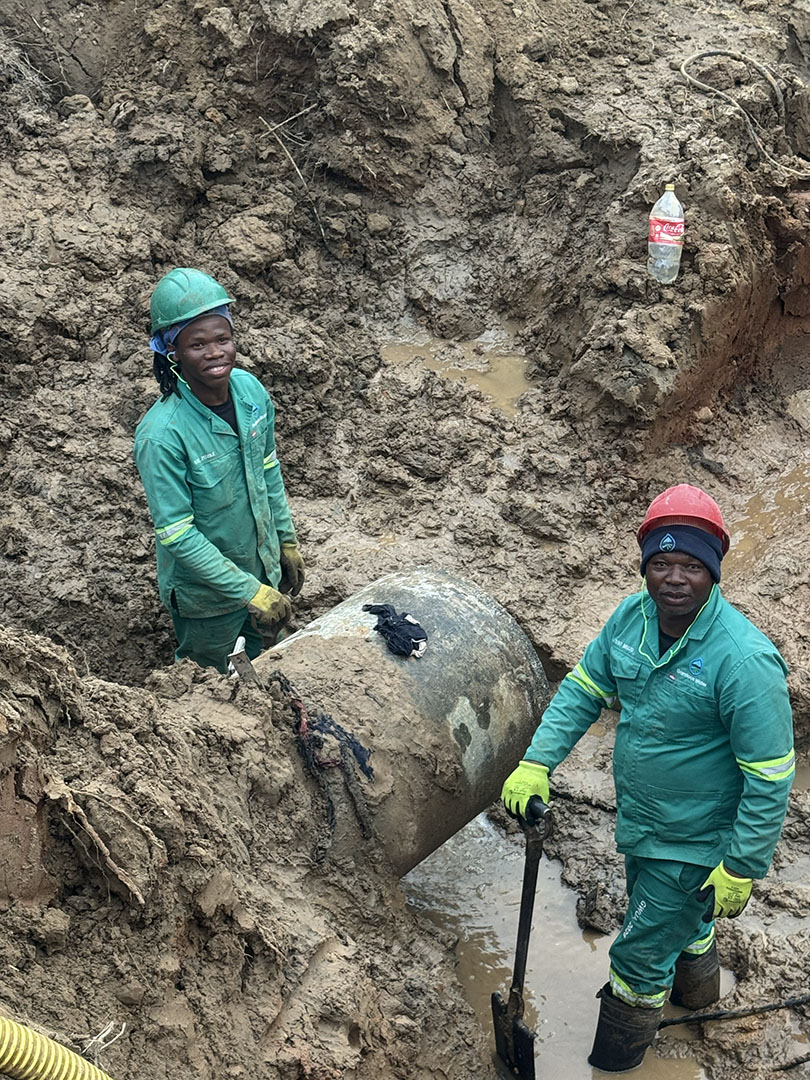
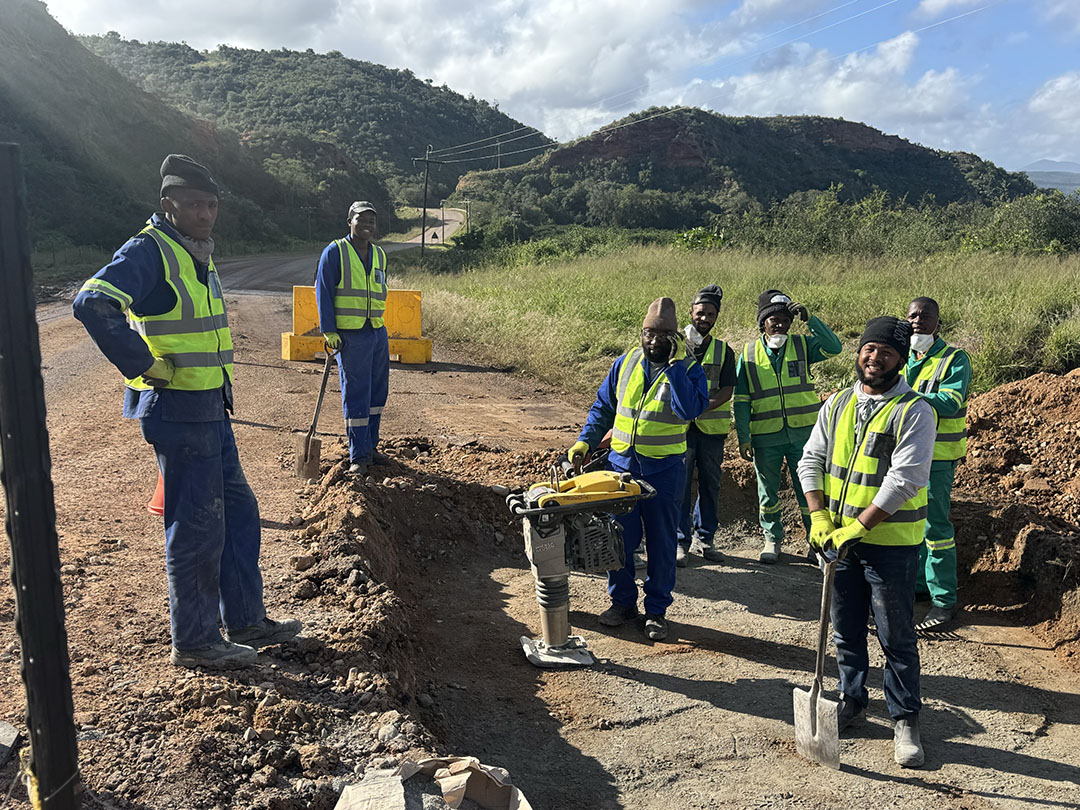
The flood that occurred in May made roads in the Gamtoos Valley inaccessible. Several low-water bridges were damaged and Gamtoos Water reallocated resources within the budget to contribute towards, among other things, restoring access.
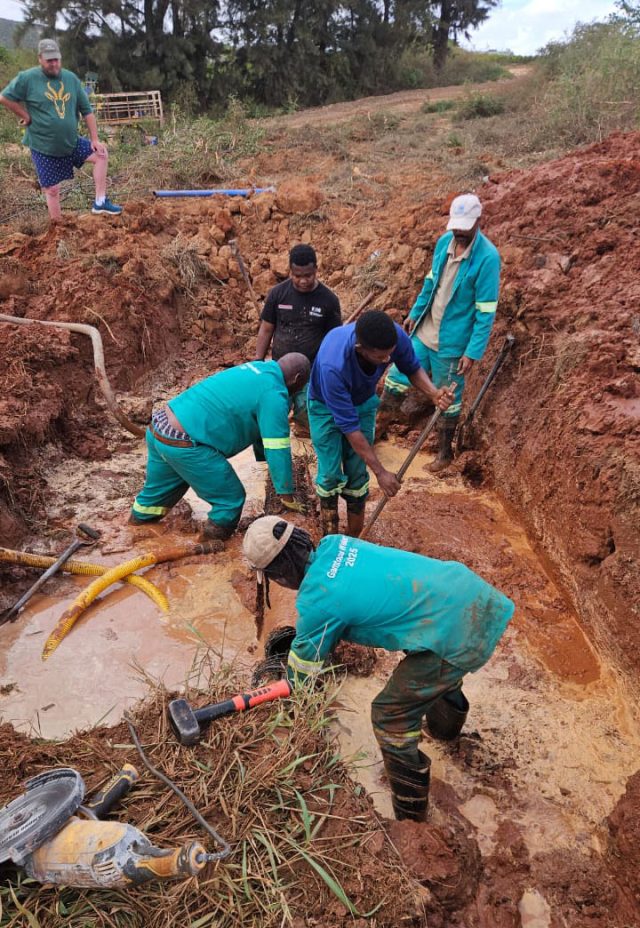
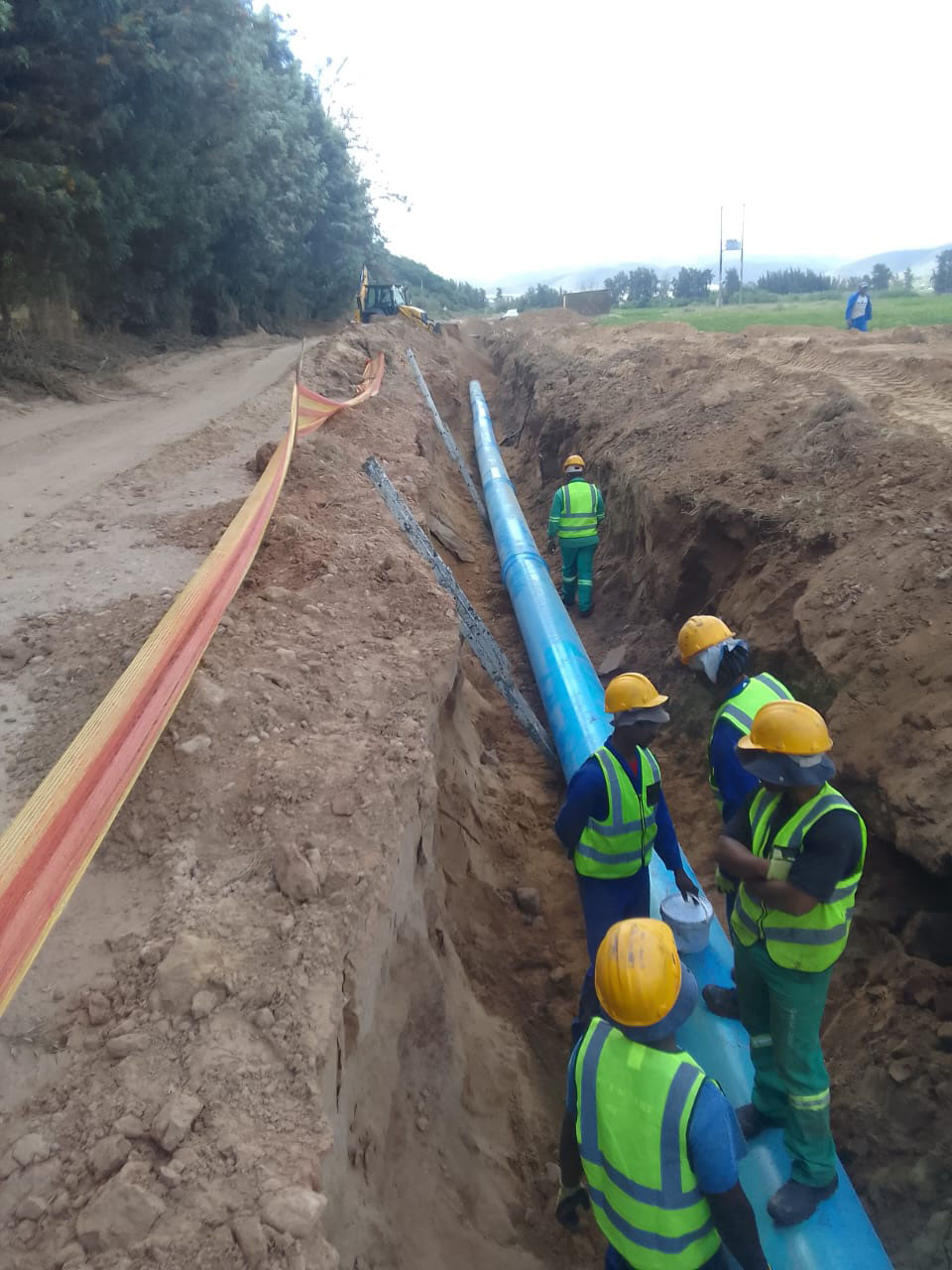
Significant damage was caused to pipelines, some of which were completely washed away. This operational reality also affected the budget and, though spending remained within limits, it cannot be overlooked that funds were not spent on normal planned expenditure.
It must again be noted that the scheme is ageing and has already exceeded its expected lifespan. The reality is that it cannot simply be replaced by rebuilding it. The associated cost would be enormous. For this reason, it is important to carry out thorough daily maintenance on the scheme.
The branch canals were found to be in particularly poor condition. According to the current planning, special maintenance will need to be carried out on all branch canals over the next few years.
The aim is to coat the branch canals with a rubberised layer after cracks have been repaired with cement or a flexible sealant. This procedure extends the life of the canal and also makes it easier to clean. Maintenance costs are minimal compared with those of traditional uncoated canals.
Financial Health
Gamtoos sub-catchment area
Financial statements 2025/2026
(The financial statements referred to do not include expenditure for the Baviaanskloof and Kabeljous sub-catchment areas.)
During 2025/2026, expenditure focused on achieving the objectives of Gamtoos Water as set out in the operational commentary.
An amount of R1,241,260 was received from external projects. Only R1 million had been budgeted for this. The majority of this income was for work carried out by Gamtoos Water for the NatCarbon project in the Karoo, where spekboom plants are being re-established using foreign funding.
The following items relating to the financial statements are noteworthy:
- Total reserves:
- R40.0-million (June 2026)
- R39.1-million (June 2025)
- Water levy collected amounts to:
- R36.9-million (June 2026)
- R36.9-million (June 2025)
- Employee costs:
- R18.3-million (June 2026)
- R18.6-million (June 2025)
- Consumables:
- R7.1-million (June 2026)
- R9.2-million (June 2025)
Gamtoos Water has no long-term debt.
Budget 2026/2027
An increase of 8.2% was recommended.
- Total budget: R49,568,773
- Income from water tax: R37,801,886
- DWS consumptive charge: R3,359,955
- DWS WRM charge: R2,118,618
- Nelson Mandela Bay Metro: R1,668,274
In recent years, there has been less reliance on external funding. The reality is that there will come a time when the entire budget will have to be funded by water users.
Water tariffs for 2026/2027
An increase of 8.2% is recommended for water tariffs for the 2026/2027 water year.
| Description | Previous Tariff | New Tariff |
| Water Resource Management charge (DWS) | R280.00 | R281.60 |
| Consumptive charge on Main Canal and Kouga Dam (DWS) | R425.60 | R509.60 |
| Gamtoos Water taxes | R4 580.54 | R4 928.80 |
| Total (Basic for 80% or less of full allocation) | R5 286.14 | R5 720.00 |
| Grand Total (Full allocation) | R5 656.16 | R6 189.04 |
Amounts exclude VAT.
According to DWS’s Raw Water Pricing Strategy (RWPS), Gamtoos water users are responsible for three statutory charges:
- Water Resource Management charge, which is levied to all water users who have a water use entitlement;
- Consumptive charge, which is levied to all users who receive water from a government water scheme. This tariff aims to recover costs associated with the storage, conveyance and supply of water; and
- Water Research Council charge.
The government has capped the consumptive charge for many years. The new pricing strategy will be implemented from 1 April 2027, with one of the goals being to remove this cap. It has been negotiated with DWS to phase out the cap over the next 10 years for the Kouga Government Scheme. This will be realistic in terms of budgeting purposes.
Staff
“Great things in business are never done by one person;
they’re done by a team of people.” Steve Jobs
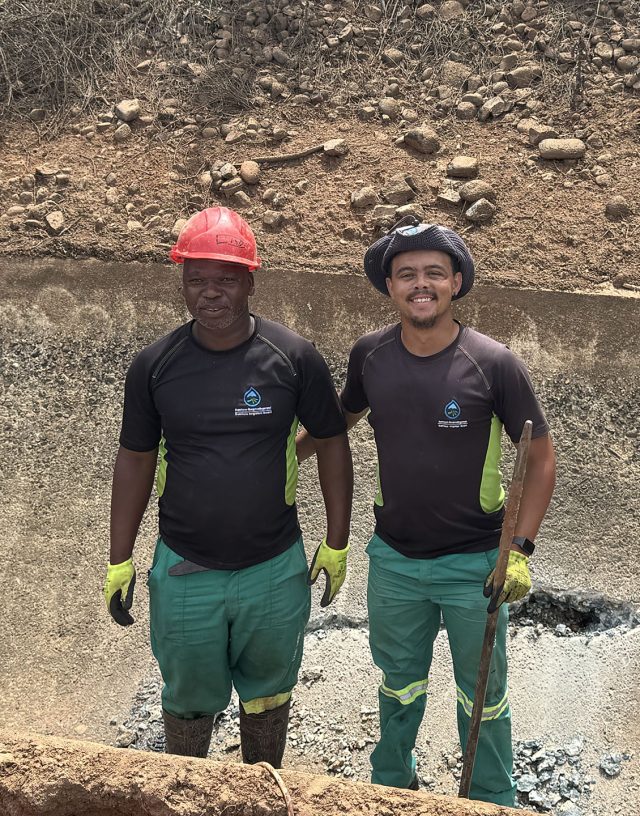
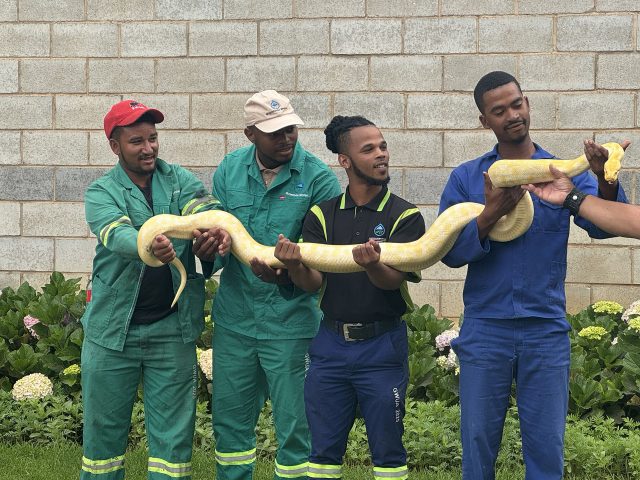
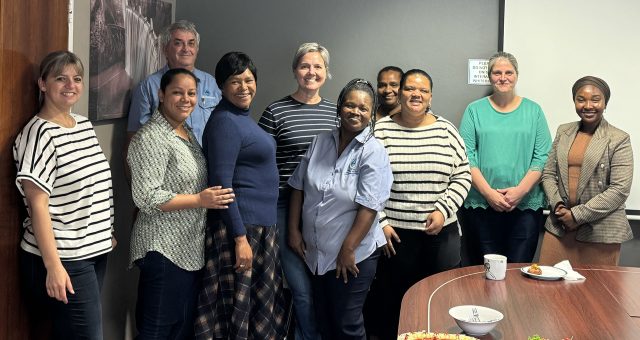
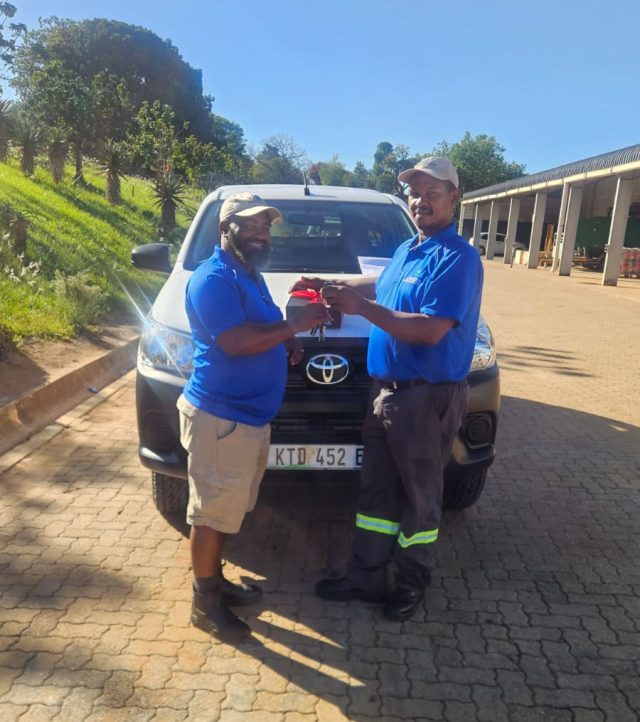
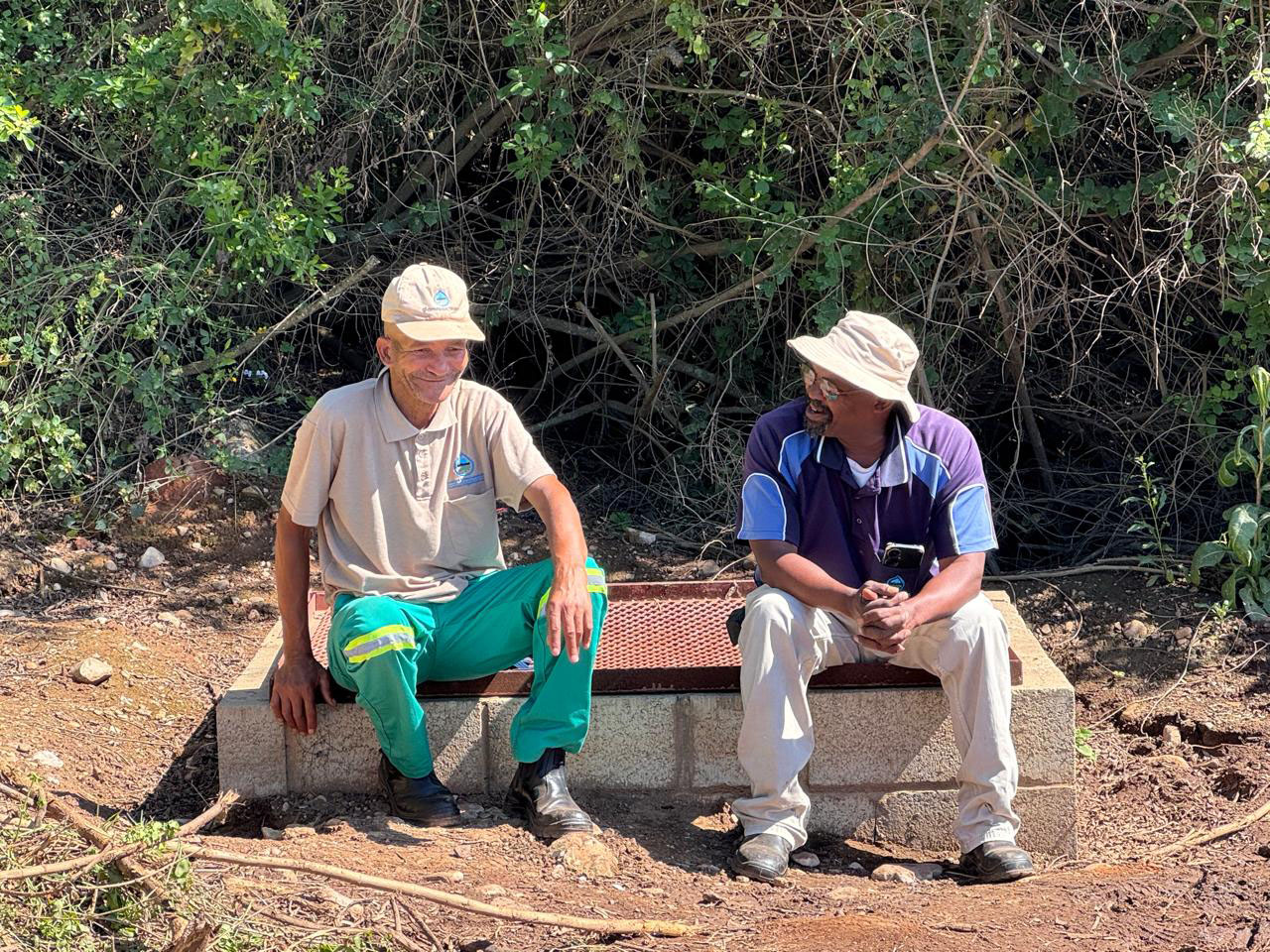
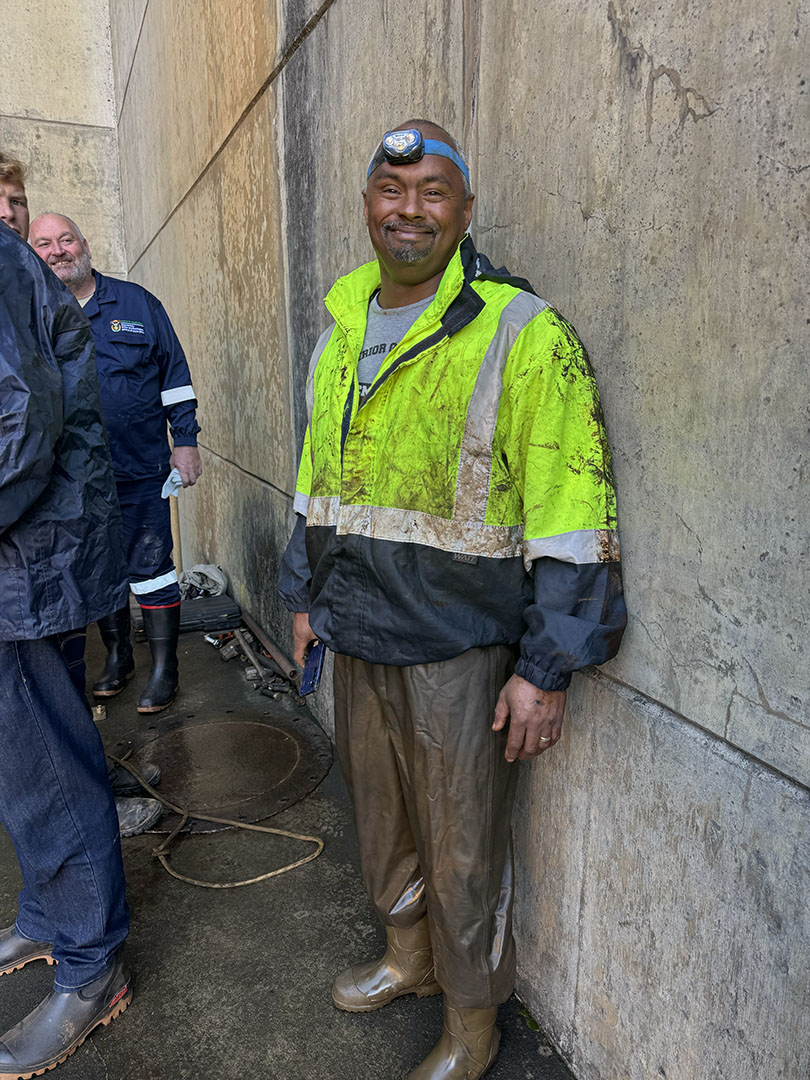
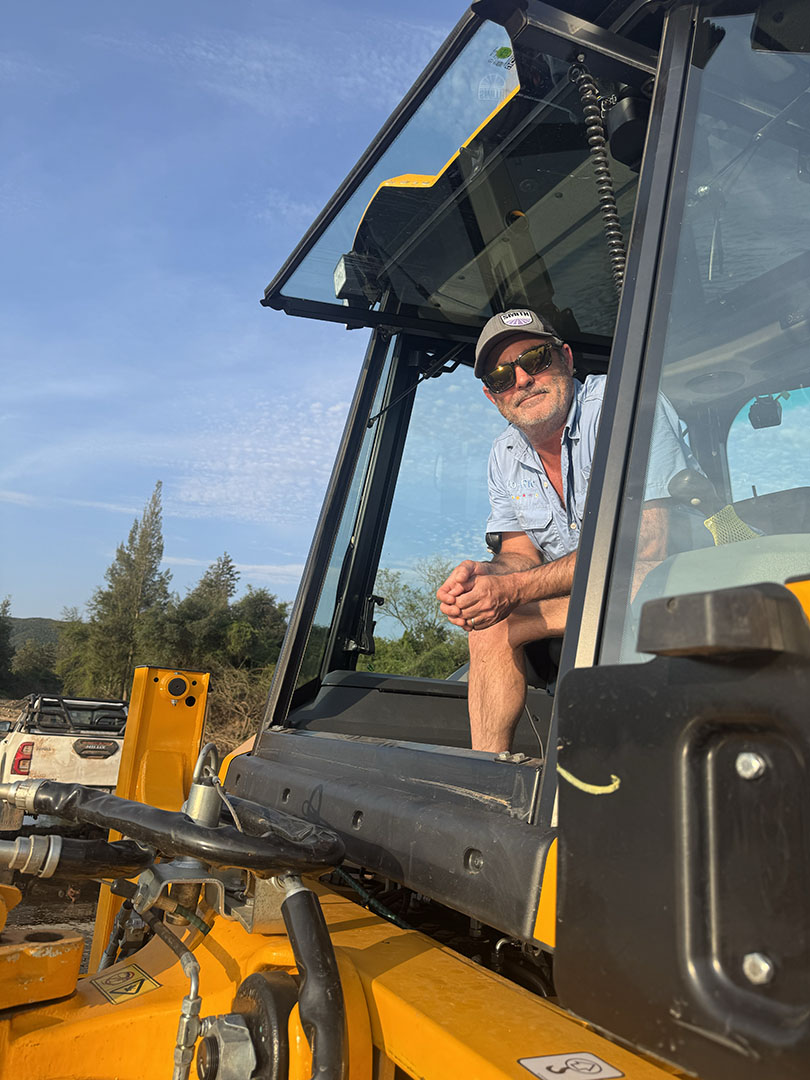
The dedication of our staff remains the single most important reason why Gamtoos Water is successful as an organisation.
A water problem has no time or place. Crises sometimes have to be resolved at the most inconvenient times.
Our staff understand the common purpose. They are always available and consistently go the extra mile. They are also fully aware that they are part of a greater purpose.
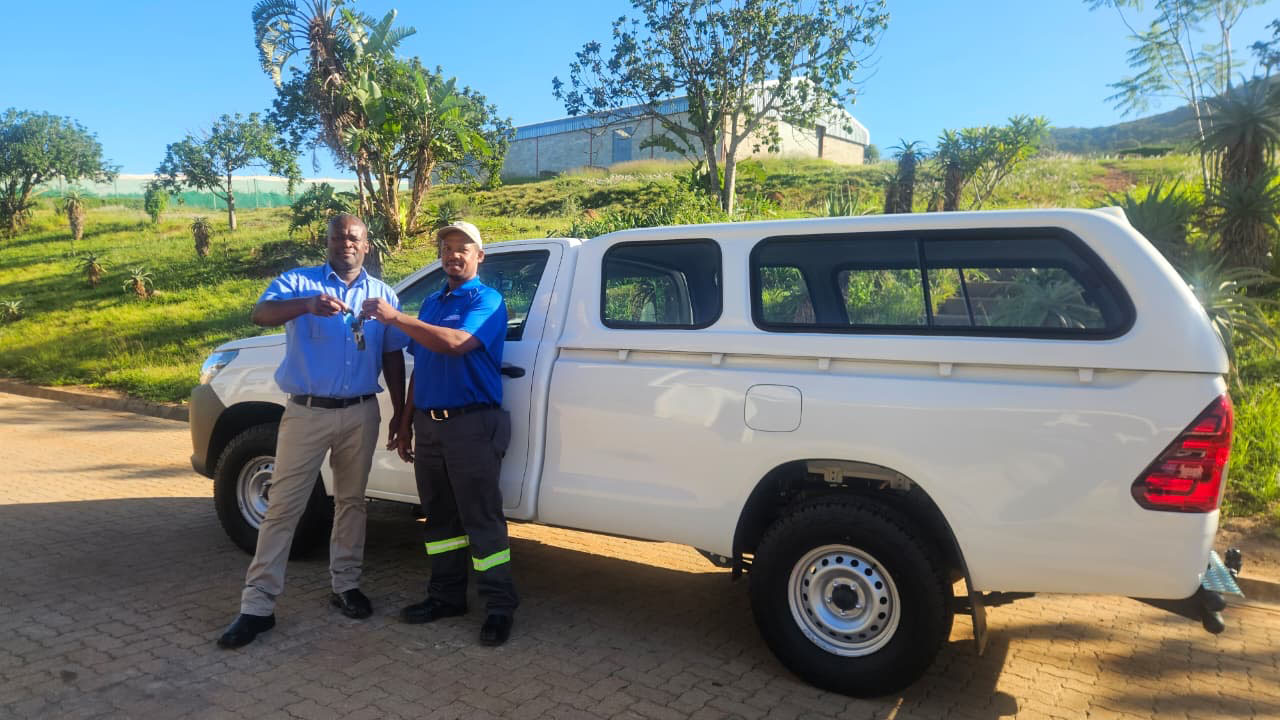
Alfred Go has been appointed as Manager: Works.
Senior Water Control Officer Andrew Murray retired after 35 years of service. Andrew had built up an enormous amount of knowledge over the years about the history and operation of the scheme.
His departure is a loss, given the selfless contribution he made over so many years and the positive contribution he could still have made.
Nomazizi Thube, who was part of our Administration team and handled Human Resources, relocated during the year and had to leave our service. Zizi, who was the spirit of the office, will be missed for her dedication and initiative.
A Senior Engineer will join Gamtoos Water in February 2027. This is someone who knows our scheme, and the expectation is that he will contribute to future planning for Gamtoos Water and the scheme.
Times are changing and provision is being made to appoint a GIS operator in future. A need for these skills has been identified. The position of Senior Water Control Officer will not be filled.
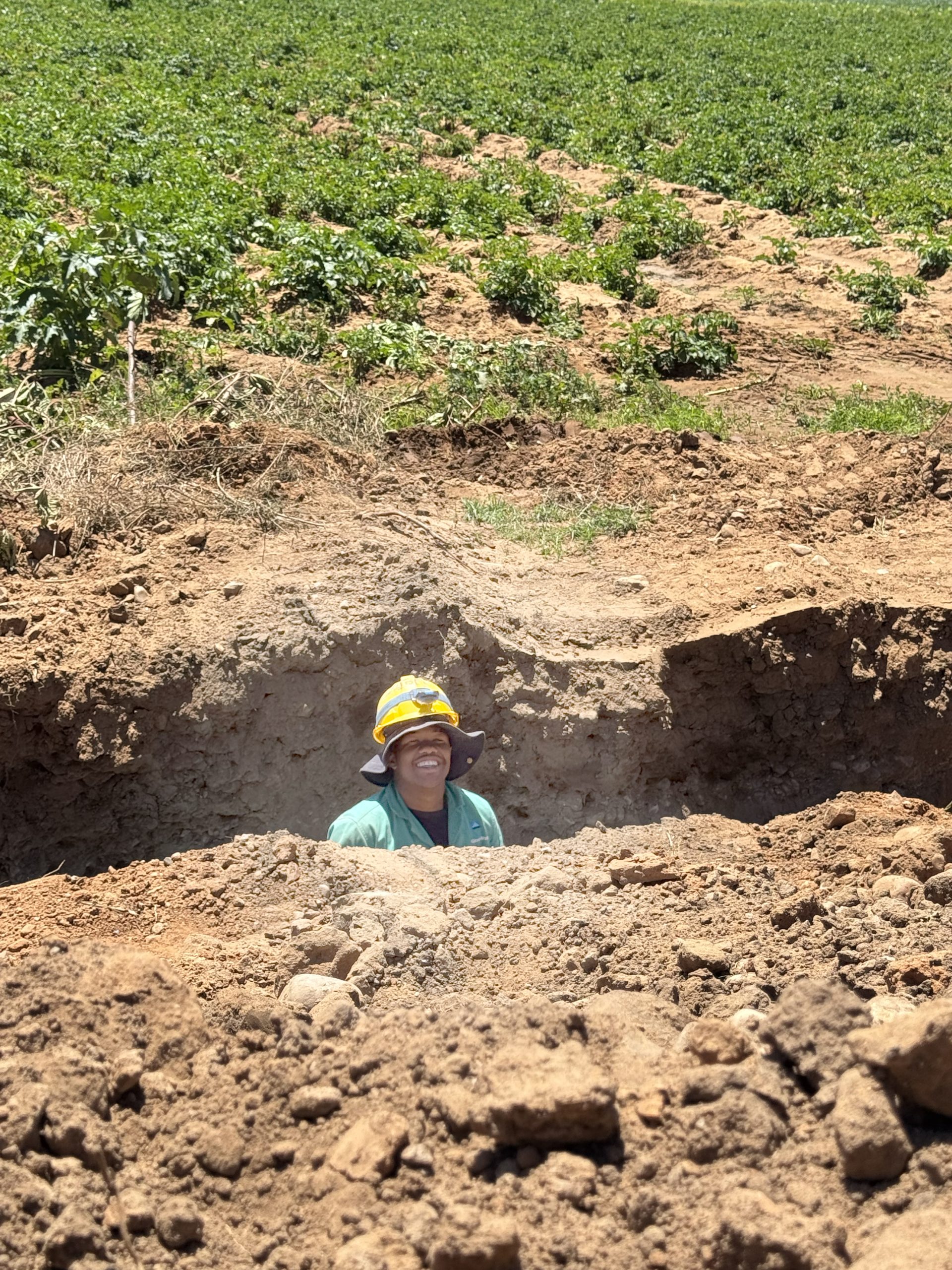
The Way Forward
“We cannot change the waters that have passed, but we can decide how we rebuild the banks of tomorrow.”
The provision and availability of water is the raison d’être of Gamtoos Water. Water is also central to the economies of all three catchment areas for which we are responsible.
Agriculture sustains the communities of the Gamtoos, Baviaans and Kabeljous, and is the only source of income in some of these areas.
The flood we experienced and survived in May was an event that, theoretically and statistically, will occur only once in two centuries.
The scale of the damage was witnessed with a sense of disbelief, and the communities of our three sub-catchment areas were dramatically affected.
The Kabeljous catchment also experienced a catastrophic fire at the beginning of 2026, and Kabeljous and Gamtoos were subjected to gale-force winds following the flood.
Hope is fundamental to an agricultural water user, and a sense of hopelessness cannot exist within an agricultural frame of reference for long. A farmer’s determination to find order and recovery within the chaos is every bit as strong as the instinct to survive.
In reality, water users in the Gamtoos, Kabeljous and Baviaanskloof did not only have to deal with a one-in-200-year flood. An uncertain and abnormal geopolitical environment has affected every aspect of our farmers’ existence over the past year, while they are also navigating the challenges around foot-and-mouth disease.
Water resource management and maintenance of the scheme, as well as of the Three Sisters sub-catchment areas, are Gamtoos Water’s core responsibilities. As in the past, these will remain our central focus.
Beyond our normal responsibilities, Gamtoos Water will support our users in this process in the year ahead. A particularly great task lies before us, but how do you eat an elephant? One bite at a time.